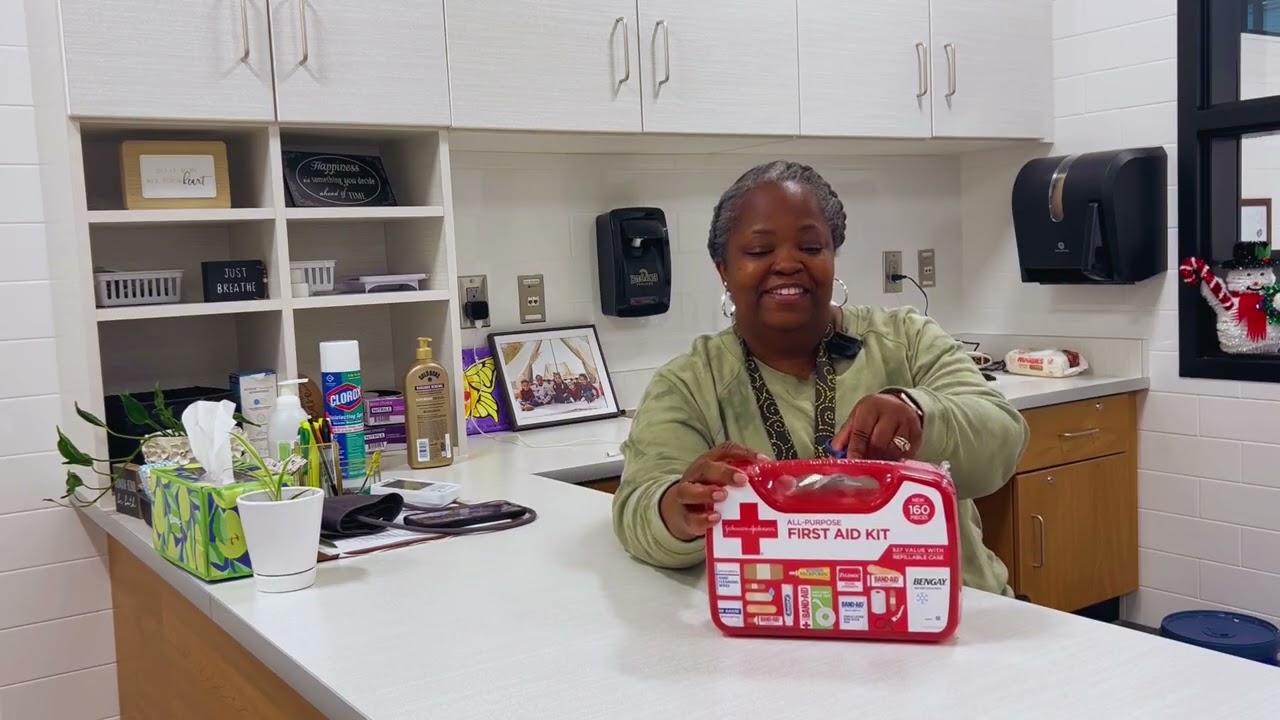
Be sure to see the "Got Skills" section of the newsletter. Anyone who hits the appreciate button will be entered in a drawing for their own first aid kit.
As you seniors enter your second semester, graduation starts to feel very real, and so does the excitement and uncertainty of what comes next. This final stretch of high school is a perfect time to step outside your comfort zone and try something new. Before you move on from HSSD to college, work, or other adventures, challenge yourself to experience something you’ve always been curious about but never made time for. Last weekend, I went to the Art Club fundraiser to paint a picture of a gingerbread man. I am not an artist, but I was in the Art Club my senior year to try something different. Whether it’s taking a dance class, signing up for a spring sport, learning to cook, or starting an independent running routine, new activities help you discover interests and strengths you might not even know you had.
Trying something different doesn’t just add fun to your senior year; it builds confidence and resilience. When you take on a new challenge, you learn how to handle the unfamiliar, push through frustration, and celebrate small victories along the way. These are skills that will serve you well long after high school. Plus, doing something completely new gives you a break from your regular routine and offers a fresh perspective during a year full of big decisions and transitions.
New activities can also bring new friendships and connections. Joining an art class or a sport, for example, can introduce you to people you might not have met otherwise. Even individual activities like running can connect you with a community through local events in Hot Springs or regionally. These experiences create memories that shape your senior year into something meaningful and energizing, and they might even become hobbies you carry with you for years to come.
Most importantly, trying something new reminds you that growth happens when you’re willing to take a chance. Your last semester of high school is a unique opportunity: you have just enough structure to explore safely, but enough freedom to experiment with who you want to become. So step out, be bold, and embrace a new challenge; you may surprise yourself with what you can do before you walk across that graduation stage as a graduate of the Hot Springs School District.
Getting Ready For Life After High School
Got Skills?
Having a first aid kit after high school is an important part of becoming more independent and responsible. Whether you’re moving into a dorm, your first apartment, or starting a job, you won’t always have someone nearby to help when minor injuries or sudden illnesses occur. A well-stocked first aid kit makes it easier to handle small emergencies quickly and confidently, preventing minor issues from becoming major problems. It also encourages self-reliance—you learn to care for cuts, scrapes, headaches, or allergic reactions on your own, which is a valuable life skill as you transition into adulthood.
A first-aid kit is also important because young adults often have busy, unpredictable schedules. Late-night study sessions, part-time work, sports, and social activities all increase the risk of common injuries such as blisters, sprains, and burns. Having supplies readily available saves you the trouble of scrambling to find what you need or relying on others when something goes wrong. It can also be helpful in group settings—being the person who’s prepared can make a difference when a friend or roommate needs quick medical attention.
A good first aid kit doesn’t need to be complicated, but it should include essential items for treating common injuries and illnesses. Basic wound care supplies—such as adhesive bandages in various sizes, gauze pads, medical tape, antiseptic wipes, and antibiotic ointment—help manage cuts and scrapes. Over-the-counter medications like ibuprofen or acetaminophen for pain, antihistamines for allergies, and cold/flu tablets are also useful. You should include tweezers, small scissors, instant cold packs, alcohol wipes, and disposable gloves for safety and hygiene. If you take prescription medications or have allergies that require an epinephrine auto-injector, those should be part of your kit as well.
Finally, consider personalizing your kit based on your lifestyle. If you play sports, adding athletic tape and blister care supplies can be helpful. For dorm living, include a digital thermometer, cough drops, and hydrocortisone cream for irritation or bites. Keeping everything in a small, organized container makes it easy to grab in an emergency and ensures you’re prepared for the everyday mishaps that come with life after high school.
Be sure to check out this great video by Nurse Dawn. The people who click the appreciate button on this newsletter will be entered into a drawing for a free first aid kit.
Employed
Did you know that Hot Springs is home to several manufacturing companies that specialize in aerospace? These are companies like Radius, Airtech, CMT, and Bishop Aviation.
A career in aerospace manufacturing can be an exciting path for high school seniors who enjoy hands-on work, technology, and building things that truly matter—such as aircraft, spacecraft, satellites, and advanced defense systems. Aerospace manufacturing includes a wide range of roles: assembly technicians, machinists, quality inspectors, composite fabricators, CNC operators, and more. Many of these positions support the creation of highly engineered components that must meet strict safety and performance standards. Because of this, companies look for individuals who are detail-oriented, reliable, safety-conscious, and willing to learn specialized skills.
The experience and education requirements vary depending on the specific job. Entry-level positions often require only a high school diploma, though some employers prefer or require completion of a technical program in areas like machining, welding, aerospace technology, or industrial maintenance. Certifications—such as those from the National Institute for Metalworking Skills (NIMS) or composite training programs—can make applicants more competitive. Many aerospace companies also offer on-the-job training or apprenticeships, especially for motivated workers who show strong mechanical aptitude. For more advanced roles, such as engineering technicians or quality auditors, an associate degree or relevant experience is often needed.
Compensation in aerospace manufacturing is generally strong compared to other entry-level industries. The working environment in aerospace manufacturing is typically fast-paced and highly structured. Employees spend much of the day on the shop floor using tools, machinery, computer-guided equipment, or working on large components. Cleanliness and safety are top priorities: workers often wear protective gear, follow precise procedures, and document their work carefully to meet strict industry certifications. Some jobs may involve shift work or standing for long periods, but the environment is generally well-lit, climate-controlled, and team-oriented. For many people, the most rewarding part of the job is knowing that their work contributes to aircraft flying safely, spacecraft launching successfully, or national defense systems operating reliably.
Overall, aerospace manufacturing offers a stable and meaningful career path with strong earning potential and clear opportunities for advancement. For high school seniors who enjoy problem-solving, craftsmanship, and high-technology industries, it can be a career with a bright future.
Check out this videoabout Financial Aid from our counselors.
Enrolled
As a high school senior thinking about college and your future, it’s important to seriously consider whether taking out student loans is the right choice for you. Student loans can be a useful tool to help pay for college, especially if you don’t have enough savings, scholarships, or family support to cover tuition, fees, and living costs. They make higher education more accessible for many people and can allow you to pursue degrees that might lead to better career opportunities and higher lifetime earnings than you would have with only a high school diploma. Federal student loans in particular often offer lower interest rates and more flexible repayment options than private loans, and don’t usually require a credit history to qualify.
However, student loans also come with downsides that you shouldn’t overlook. Taking on debt means you’ll have financial obligations long after graduation, and the interest that accrues over time can make the total amount you repay significantly higher than what you originally borrowed. This debt can strain your budget, affect your credit score, and delay other milestones like buying a car, renting an apartment, or saving for long-term goals. If you struggle to make payments, you could face serious consequences, including negative impacts on your credit or even wage garnishment if payments are missed.
Before you sign up for any loan, it’s crucial to ask the right questions so you’re fully informed. Some key questions include:
How much will I actually need to borrow? Only borrow what’s necessary for your education after maximizing grants, scholarships, and work-study.
What will my monthly payments be after graduation, and for how long? Understanding your future budget can help you avoid over-borrowing.
What repayment plans or forgiveness options are available? Federal loans often have multiple plans, some tied to income, and programs for certain careers.
What happens if I can’t pay on time? Knowing the consequences of deferment, forbearance, or default can help you plan.
It’s also important to be aware of recent changes to federal student loan programs that may affect your decision. In 2025, Congress passed major legislation that significantly alters aspects of the federal loan system, with many changes scheduled to take effect in 2026 and beyond — including revised borrowing limits, changes to repayment plan options, and the phase-out of some loan types like Grad PLUS for new borrowers. Additionally, there’s active political debate and legal action around income-driven repayment programs like the Saving on a Valuable Education (SAVE) plan, which could impact how future borrowers manage and repay their loans.
In short, student loans can open doors to education you couldn’t otherwise afford, but they are a long-term financial commitment that deserves thoughtful consideration. Take the time now to understand your options, ask questions, and make an informed decision before signing any loan agreements.
Enlisted
We have been exploring the military branches throughout the year. Since we are in the midst of the holiday season, you may be wondering what military personnel do for the holidays when they are deployed.
For many military service members, spending holidays like Thanksgiving or Christmas away from home is one of the hardest parts of deployment. While they may be far from family traditions, deployed soldiers find meaningful ways to celebrate and maintain morale. Bases and outposts often hold special holiday meals, complete with traditional foods like turkey, stuffing, or holiday desserts—even in remote locations. Chaplains and morale, welfare, and recreation (MWR) teams sometimes organize events such as talent shows, friendly sports competitions, or movie nights to help create a sense of community. These activities offer moments of joy and togetherness and remind service members that they’re part of a supportive team even when they’re far from home.
Soldiers also find personal ways to make the holidays feel special. Some decorate their living spaces with small ornaments or lights, while others exchange simple gifts or handwritten notes with fellow service members. Units might host “adopt-a-soldier” gift drives where care packages from volunteers and family members back home are distributed. These small gestures can make a big difference in helping deployed troops feel connected to the holiday spirit.
Staying in touch with loved ones is especially important during the holidays, and modern technology makes this easier than it used to be. Many deployed soldiers use video calls, emails, or messaging apps whenever internet access is available. Others rely on phone centers operated by the military or USO. When digital communication isn’t possible due to location or mission requirements, handwritten letters and mailed care packages remain a cherished connection to home. Service members often plan calls around time-zone differences so they can share moments like opening gifts or saying grace before a holiday meal, even from thousands of miles away.
Despite the distance, these efforts help soldiers stay connected to the people they love and maintain holiday traditions in their own way. Their celebrations may look different from those back home, but the sense of camaraderie, gratitude, and hope remains at the heart of the holidays—no matter where they are in the world.
Questions, suggestions or concerns?
Always feel free to reach out to me whenever you have any questions, suggestions, or concerns.


 Additional settings for Safari Browser.